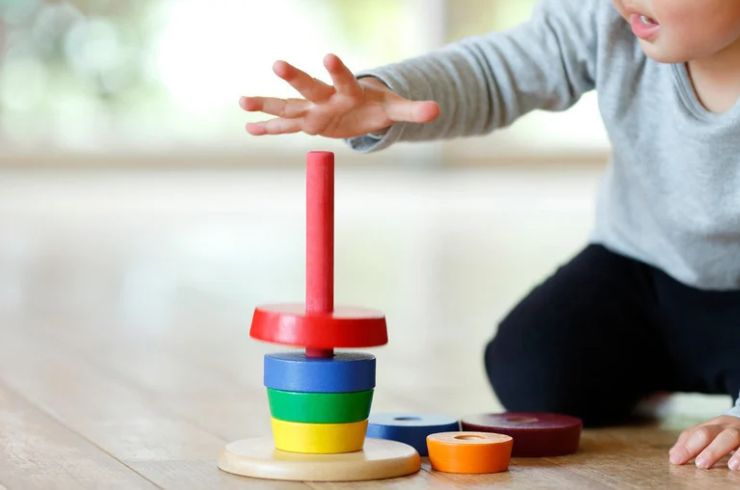
Developmental delay rehabilitation helps children who need additional support in developing motor skills, coordination, balance, and age-appropriate movement abilities. At Regenics Rehab, personalized pediatric physiotherapy focuses on building strength, improving motor control, and encouraging functional skills through engaging, child-friendly activities. Treatment is tailored to each child’s developmental needs, abilities, and individual progress.
Developing age-appropriate gross motor skills
Improving balance, coordination, and body control
Building muscle strength and movement confidence
Practising sitting, crawling, standing, and walking as appropriate
Encouraging greater independence in everyday activities
Practise a developmentally appropriate movement skill, such as supported sitting or standing, based on the child’s current abilities.
Pediatrician’s referral or consultation notes
Relevant developmental assessments and medical reports
Previous physiotherapy or therapy records, if available
List of current medications, if applicable
Comfortable clothing that allows free movement
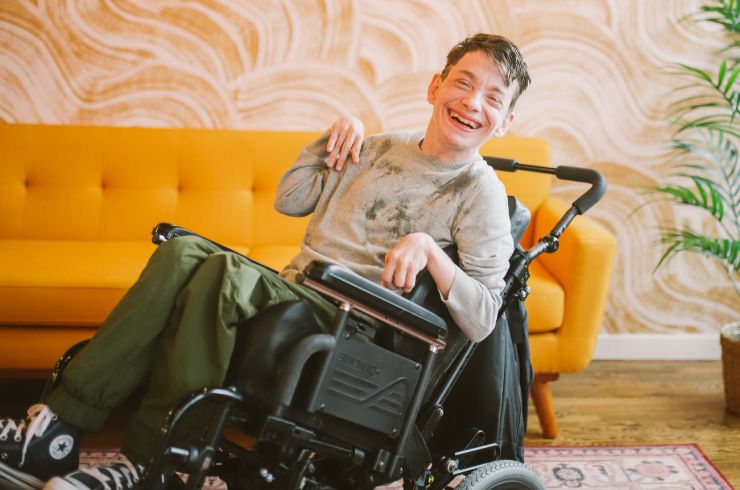
Cerebral palsy rehabilitation helps children develop movement abilities, improve coordination, and work towards greater independence in everyday activities. At Regenics Rehab, personalized pediatric physiotherapy focuses on managing muscle stiffness, improving strength and balance, and practising functional movements through engaging, goal-oriented exercises. Treatment is tailored to each child’s abilities, developmental needs, mobility challenges, and individual goals.
Improving muscle control and movement coordination
Managing muscle stiffness and restricted mobility
Developing balance, posture, and body control
Practising sitting, standing, walking, and transfers as appropriate
Supporting functional independence in daily activities
Practise a suitable movement skill, such as supported sitting balance or controlled standing, based on the child’s abilities and assessment.
Pediatrician’s referral or consultation notes
Relevant medical reports and developmental assessments
Previous physiotherapy or therapy records, if available
Current medication list, if applicable
Prescribed braces, orthoses, or mobility aids
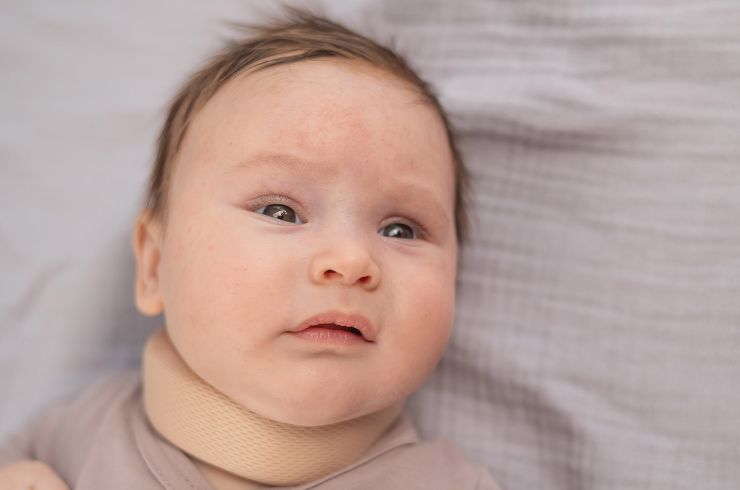
Torticollis rehabilitation helps children experiencing a tilted head position, restricted neck movement, or tightness in the neck muscles. At Regenics Rehab, personalized pediatric physiotherapy focuses on improving neck flexibility, encouraging symmetrical head movement, and supporting age-appropriate motor development through gentle, guided techniques. Treatment is tailored to each child’s age, movement limitations, and individual assessment.
Improving neck mobility and range of motion
Addressing neck muscle tightness
Encouraging symmetrical head positioning
Supporting head control and posture
Promoting age-appropriate movement and motor skills
Encourage comfortable head turning towards both sides during supervised, age-appropriate activities.
Pediatrician’s referral or consultation notes
Relevant medical reports, if available
Previous physiotherapy records, if available
Details of the child’s developmental milestones
Any prescribed supports or treatment recommendations
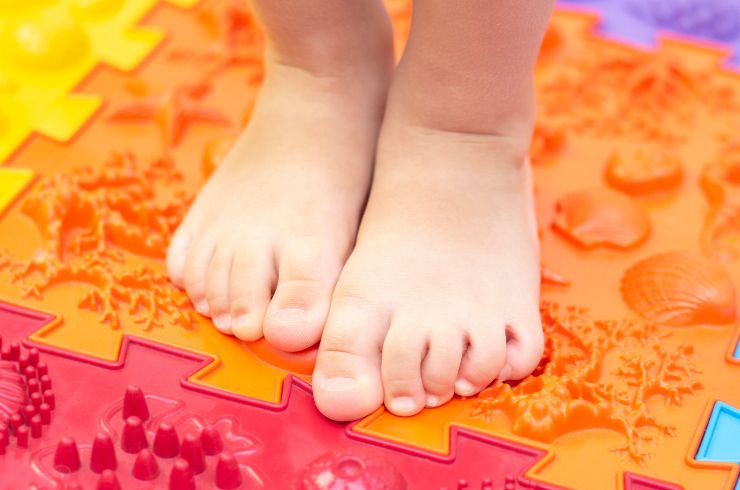
Flat feet rehabilitation helps children experiencing foot discomfort, balance difficulties, or movement challenges associated with reduced foot arches. At Regenics Rehab, personalized pediatric physiotherapy focuses on improving foot and ankle strength, balance, coordination, and functional movement through age-appropriate exercises. Treatment is tailored to each child’s symptoms, activity levels, walking pattern, and individual assessment, as many children with flat feet do not require treatment.
Strengthening foot and ankle muscles
Improving balance and lower-limb coordination
Supporting comfortable walking and running
Improving foot control during functional movements
Addressing mobility difficulties when present
Practise age-appropriate balance activities and controlled foot movements based on the child’s abilities and comfort.
Pediatrician’s referral or consultation notes
Relevant medical reports, if available
Previous physiotherapy records, if available
Comfortable clothing for movement assessment
Prescribed footwear, insoles, or orthotic supports, if applicable
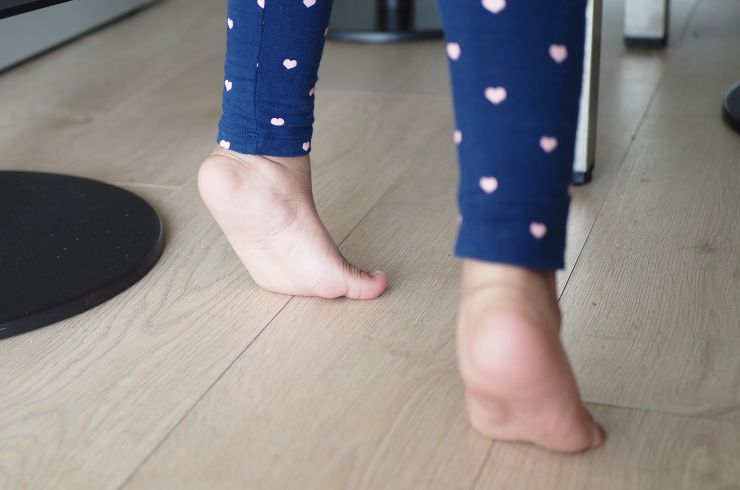
Toe walking rehabilitation helps children who frequently walk on their toes rather than placing their heels on the ground. At Regenics Rehab, personalized pediatric physiotherapy focuses on improving ankle mobility, strengthening relevant muscles, developing balance, and encouraging appropriate walking patterns through child-friendly exercises. Treatment is tailored to each child’s age, walking habits, physical assessment, and underlying needs.
Improving ankle flexibility and range of motion
Stretching tight calf muscles when appropriate
Strengthening foot and lower-leg muscles
Improving balance and walking coordination
Encouraging a more controlled walking pattern
Practise supervised standing and walking activities that encourage comfortable heel contact, when appropriate for the child.
Pediatrician’s referral or consultation notes
Relevant medical or developmental reports, if available
Previous physiotherapy records, if available
Comfortable clothing for movement assessment
Prescribed braces, orthoses, or footwear, if applicable

Poor posture rehabilitation helps children address postural habits, muscle imbalances, and movement difficulties that may affect comfortable sitting, standing, and everyday activities. At Regenics Rehab, personalized pediatric physiotherapy focuses on improving postural awareness, strengthening supporting muscles, and developing healthy movement habits through engaging, age-appropriate exercises. Treatment is tailored to each child’s physical development, individual needs, and functional goals.
Improving sitting and standing posture
Strengthening core and supporting muscles
Developing flexibility and muscle balance
Encouraging healthy movement and positioning habits
Improving body awareness and coordination
Practise maintaining a comfortable, upright sitting position during a short, supervised activity.
Pediatrician’s referral or consultation notes, if available
Relevant medical reports, if available
Previous physiotherapy records, if available
Comfortable clothing for movement assessment
Prescribed supports or orthotic devices, if applicable

Pediatric physiotherapy supports children’s movement, physical development, strength, balance, and coordination through age-appropriate therapeutic activities. It may benefit children experiencing developmental delays, difficulties with motor skills, reduced muscle strength, coordination challenges, or movement limitations associated with certain medical conditions. At Regenics Rehab pediatric physiotherapy focuses on individualized assessments and child-friendly rehabilitation approaches designed to support functional abilities, encourage active participation, and promote greater independence in everyday activities.
Personalized pediatric physiotherapy can help children develop movement skills, improve physical abilities, and participate more comfortably in age-appropriate daily activities.
Support for gross motor skill development
Improved balance, coordination, and body control
Exercises to develop muscle strength and flexibility
Assistance with age-related movement and mobility challenges
Support for children experiencing developmental delays
Activities designed to encourage walking, standing, and movement
Improved physical confidence and functional independence
Child-friendly exercises tailored to individual abilities
Guidance for caregivers on supporting movement at home
Rehabilitation goals adapted to each child’s developmental needs
Regenics Rehab offers individualized pediatric physiotherapy focused on each child’s developmental needs, physical abilities, and functional goals. Treatment begins with an assessment of movement patterns, muscle strength, balance, coordination, and age-appropriate motor skills. Based on the assessment, rehabilitation may include guided exercises, movement-based activities, balance training, and functional skill development. Caregivers can receive guidance on supporting practice at home, helping reinforce therapy goals and encourage children’s participation in everyday activities. The approach emphasizes child-centered care, gradual progress, and improved functional mobility.