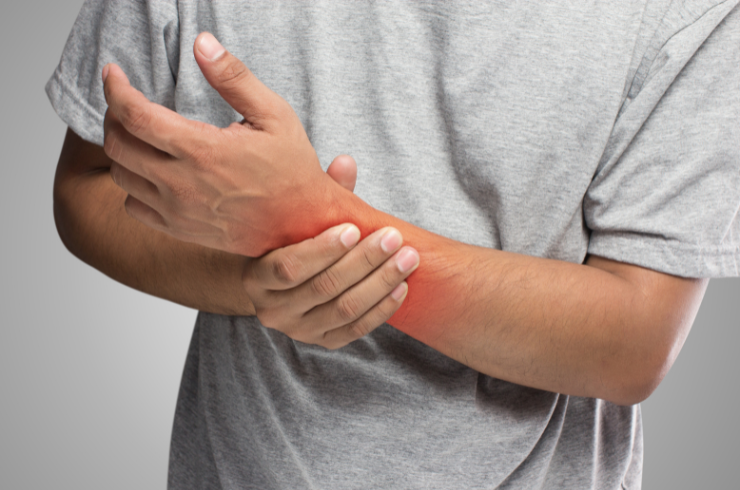
Wrist sprain rehabilitation helps individuals recover from injuries involving the ligaments that support the wrist joint, often caused by falls, sudden twisting, or sports-related impacts. At Regenics Rehab, personalized physiotherapy focuses on restoring wrist mobility, rebuilding strength, improving grip function, and supporting a gradual return to sports and daily activities. Treatment is tailored to the injury’s severity, healing progress, and medical recommendations.
Improving wrist mobility and range of motion
Strengthening wrist and forearm muscles
Restoring grip strength and coordination
Improving wrist stability during functional movements
Gradually returning to sports and everyday activities
Practise gentle wrist movements within a comfortable range, following medical advice and the recommended healing precautions.
Doctor’s referral or consultation notes
Relevant X-rays or other medical reports, if available
Current medication list
Previous physiotherapy records, if available
Prescribed wrist brace, splint, or support
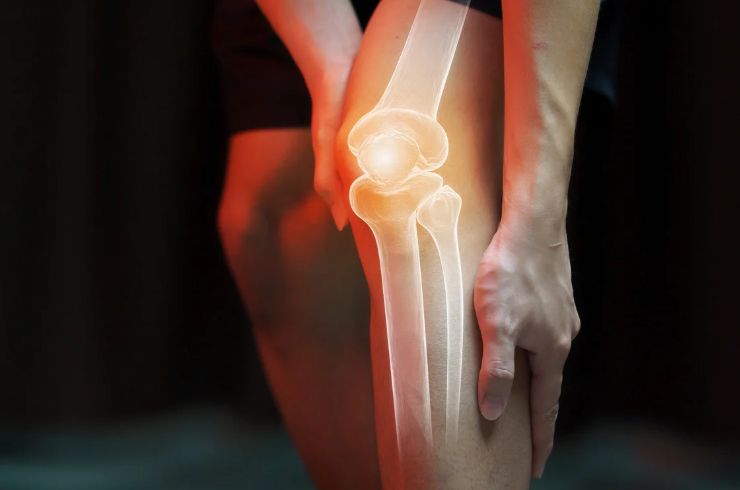
Runner’s knee rehabilitation helps individuals manage pain around or behind the kneecap, often associated with running, jumping, repetitive activity, or changes in training intensity. At Regenics Rehab, personalized physiotherapy focuses on strengthening the muscles supporting the knee, improving movement control, and addressing contributing factors to discomfort. Treatment is tailored to each individual’s symptoms, activity level, and return-to-sport goals.
Strengthening quadriceps, hip, and supporting muscles
Improving knee alignment and movement control
Enhancing balance and lower-limb stability
Gradually rebuilding tolerance for running and jumping
Supporting a safe return to sports and physical activities
Practise controlled, pain-tolerable movements such as sit-to-stand exercises under physiotherapist supervision.
Doctor’s referral or consultation notes, if available
Relevant X-rays, MRI scans, or medical reports, if available
Current medication list
Previous physiotherapy records, if available
Sports footwear used during training
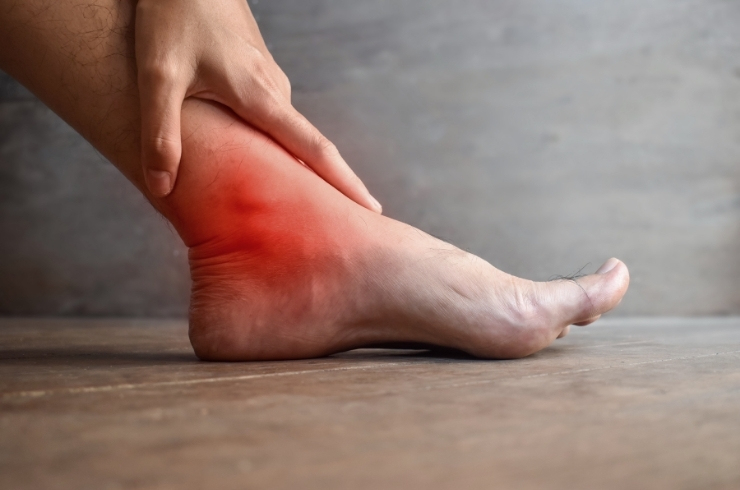
Ankle sprain rehabilitation helps individuals recover from injuries involving the ligaments that support the ankle, commonly caused by twisting, landing awkwardly, or sudden changes in direction during sports. At Regenics Rehab, personalized physiotherapy focuses on improving ankle mobility, rebuilding strength, restoring balance, and supporting a gradual return to physical activities. Treatment is tailored to the severity of the sprain, healing progress, and medical recommendations.
Improving ankle mobility and range of motion
Strengthening ankle and lower-leg muscles
Restoring balance, coordination, and joint stability
Practising safe walking, running, and directional changes
Gradually returning to sports and everyday activities
Practise gentle ankle movements and supported weight-bearing within comfortable limits, following medical advice.
Doctor’s referral or consultation notes
Relevant X-rays or other medical reports, if available
Current medication list
Previous physiotherapy records, if available
Prescribed ankle brace, support, or walking aid
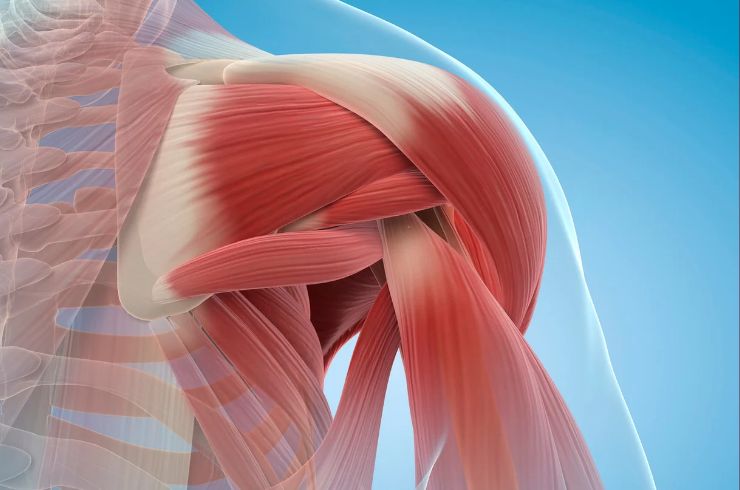
Muscle strain rehabilitation helps individuals recover from injuries caused by overstretching or tearing muscle fibres during sports, exercise, or sudden movements. At Regenics Rehab, personalized physiotherapy focuses on restoring flexibility, rebuilding muscle strength, improving movement control, and supporting a gradual return to physical activities. Treatment is tailored to the affected muscle, injury severity, healing progress, and individual sporting goals.
Restoring muscle flexibility and range of motion
Gradually rebuilding strength and endurance
Improving coordination and movement control
Practising sport-specific movements when appropriate
Supporting a safe return to training and physical activities
Practise gentle, pain-tolerable movements of the affected muscle within medically recommended limits.
Doctor’s referral or consultation notes, if available
Relevant medical reports or imaging, if available
Current medication list
Previous physiotherapy records, if available
Sports footwear or supportive equipment used during training
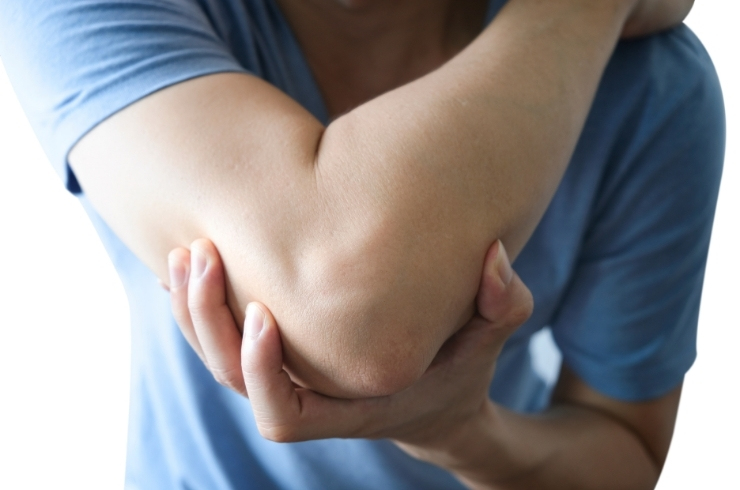
Tennis elbow rehabilitation helps individuals manage pain and tenderness around the outer elbow, often associated with repetitive gripping, wrist movements, or sports-related activities. At Regenics Rehab, personalized physiotherapy focuses on improving wrist and forearm strength, restoring comfortable movement, and gradually rebuilding tolerance for daily tasks and sports. Treatment is tailored to each individual’s symptoms, activity levels, and recovery goals.
Improving wrist and forearm mobility
Strengthening forearm muscles and grip
Improving tolerance for gripping and lifting activities
Addressing movement patterns that may contribute to discomfort
Gradually returning to sports and everyday activities
Practise gentle wrist movements and light gripping exercises within comfortable limits under physiotherapist supervision.
Doctor’s referral or consultation notes, if available
Relevant medical reports or imaging, if available
Current medication list
Previous physiotherapy records, if available
Sports equipment or activity-related supports, if relevant
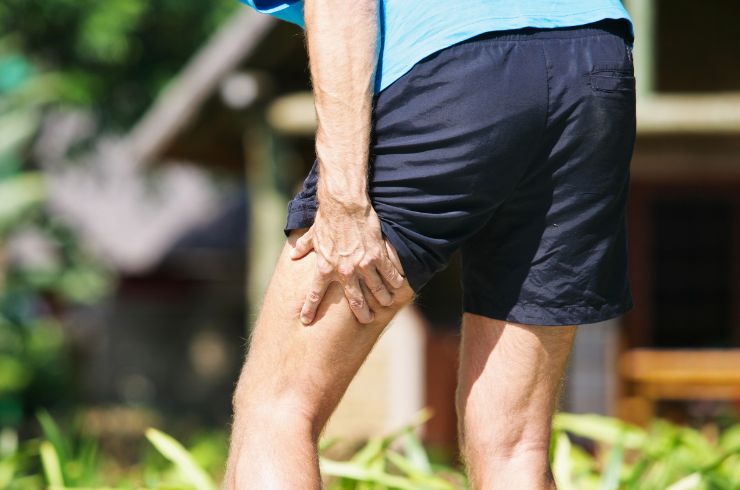
Hamstring injury rehabilitation helps individuals recover from strains or tears affecting the muscles at the back of the thigh, commonly occurring during sprinting, jumping, or sudden acceleration. At Regenics Rehab, personalized physiotherapy focuses on restoring flexibility, rebuilding muscle strength, improving movement control, and supporting a gradual return to sports. Treatment is tailored to the injury’s severity, healing progress, and individual performance goals.
Improving hamstring flexibility and range of motion
Gradually rebuilding muscle strength and endurance
Improving hip and lower-limb coordination
Practising running and sport-specific movements when appropriate
Supporting a safe return to training and competition
Practise gentle, pain-tolerable leg movements within recommended limits under physiotherapist supervision.
Doctor’s referral or consultation notes, if available
Relevant medical reports or imaging, if available
Current medication list
Previous physiotherapy records, if available
Sports footwear or training equipment, if relevant
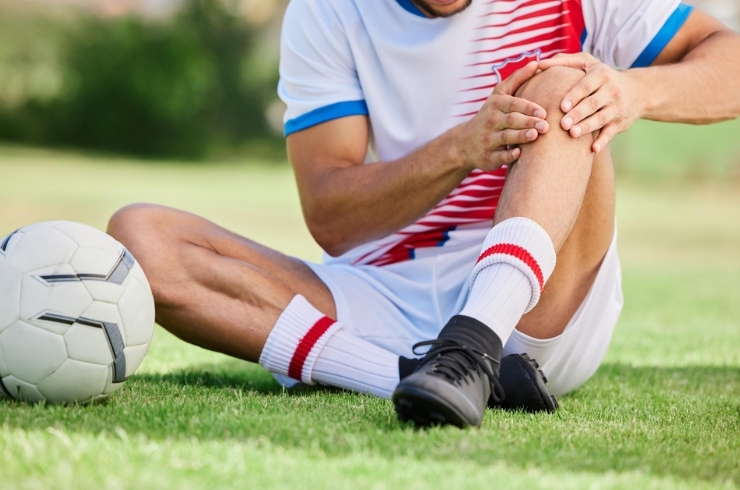
Sports injury management focuses on rehabilitation following injuries that affect muscles, joints, ligaments, tendons, and other structures involved in physical activity. Injuries such as sprains, strains, ligament tears, and overuse conditions can limit mobility, strength, and athletic performance. At Regenics Rehab, sports rehabilitation emphasizes individualized assessments and structured treatment plans to support recovery, restore functional movement, rebuild strength, and help individuals gradually return to their preferred sports and physical activities.
Personalized sports injury rehabilitation can support recovery, improve physical performance, and help individuals rebuild the strength and mobility required for sporting activities.
Rehabilitation support for sprains, strains, and ligament injuries
Improved joint mobility and flexibility
Progressive strengthening of affected muscles and supporting structures
Restoration of balance, coordination, and movement control
Support for recovery from overuse injuries
Improved agility and functional movement
Sport-specific exercises based on individual activity requirements
Gradual return-to-sport planning based on recovery progress
Guidance on movement techniques and injury prevention
Support for rebuilding confidence during physical activity
Regenics Rehab provides personalized rehabilitation for sports-related injuries and activity-associated movement limitations. Treatment begins with an assessment of the injury, pain, mobility, strength, balance, and functional requirements. Based on individual needs, rehabilitation may include therapeutic exercises, mobility training, progressive strengthening, coordination activities, and sport-specific movement practice. Treatment intensity is adjusted according to recovery progress and clinical recommendations. The approach focuses on restoring function, improving physical readiness, and supporting a gradual return to sporting activities while addressing movement patterns that may contribute to future injuries.