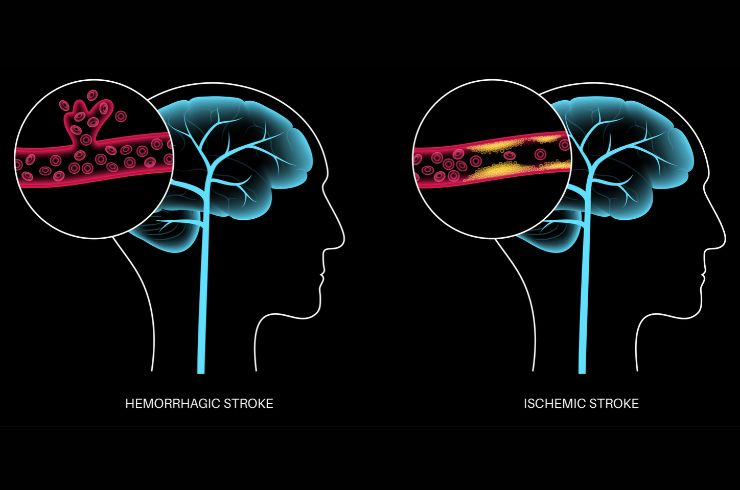
Stroke rehabilitation focuses on helping individuals regain movement, balance, coordination, and functional abilities affected by a stroke. At Regenics Rehab, personalized physiotherapy programs are designed around each person’s needs, recovery stage, and abilities, supporting safer movement, greater independence, and improved participation in everyday activities.
Improving muscle strength and controlled movement
Training balance, coordination, and walking
Practising transfers, standing, and sitting safely
Improving flexibility and affected limb mobility
Improve safe sitting balance and practise supported standing, according to the patient’s abilities and clinical assessment.
Doctor’s referral or discharge summary, if available
Relevant medical reports and scan results
Current medication list
Comfortable clothing for movement
Walking aid or support equipment, if used

Parkinson’s rehabilitation helps individuals manage movement difficulties associated with Parkinson’s disease, including stiffness, tremors, slowed movements, and balance challenges. At Regenics Rehab, personalized physiotherapy focuses on improving mobility, posture, coordination, and functional independence through guided exercises and strategies tailored to each individual’s abilities, symptoms, and daily living needs.
Improving balance, posture, and movement coordination
Practising walking, turning, and changing direction
Maintaining flexibility and joint mobility
Building strength and physical endurance
Developing strategies for safer daily activities
Practise safe sit-to-stand movements and improve turning control with appropriate support and supervision.
Doctor’s referral or recent consultation notes, if available
Relevant medical reports
Current medication list, including medication timings
Walking aid or mobility support, if used
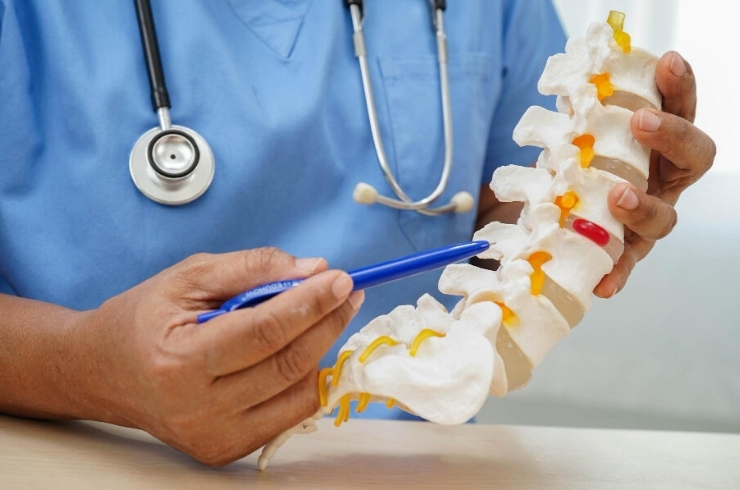
Spinal cord injury rehabilitation helps individuals address movement limitations, weakness, balance difficulties, and functional challenges following damage to the spinal cord. At Regenics Rehab, personalized physiotherapy focuses on improving available movement, strengthening unaffected and affected muscles where possible, practising safe transfers, and supporting greater independence based on each individual’s condition and recovery potential.
Improving muscle strength and available movement
Practising bed mobility, sitting balance, and transfers
Developing standing and walking skills when appropriate
Improving flexibility and preventing movement-related complications
Practise safe bed-to-wheelchair transfers with appropriate assistance, based on the individual’s abilities and medical clearance.
Doctor’s referral or hospital discharge summary
Relevant medical reports and imaging results
Current medication list
Wheelchair, braces, or mobility aids currently used
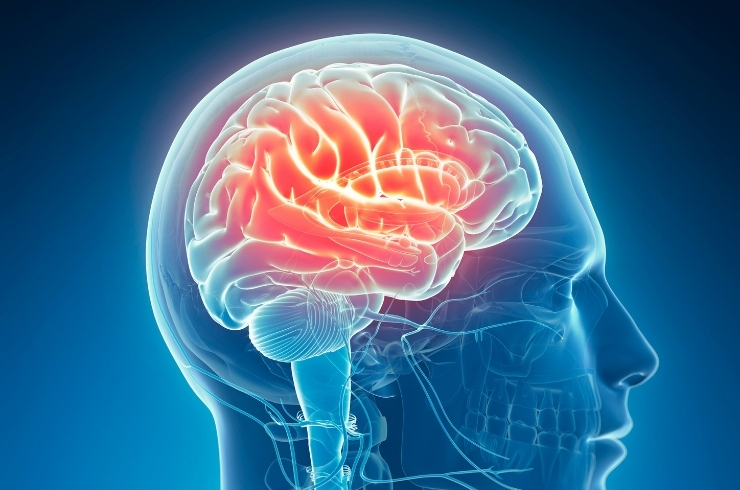
Traumatic brain injury rehabilitation supports individuals experiencing physical, balance, coordination, or functional difficulties following a head injury. At Regenics Rehab, personalized physiotherapy focuses on improving movement, strength, postural control, and everyday functional abilities. Treatment is tailored to the individual’s symptoms, medical stability, recovery stage, and rehabilitation goals.
Improving balance, coordination, and postural control
Rebuilding strength and physical endurance
Practising walking, transfers, and functional movements
Improving mobility and independence in daily activities
Practise maintaining a stable sitting position and completing a simple transfer with appropriate assistance and supervision.
Doctor’s referral or hospital discharge summary
Relevant medical reports and brain imaging results
Current medication list
Walking aids, braces, or mobility equipment, if used
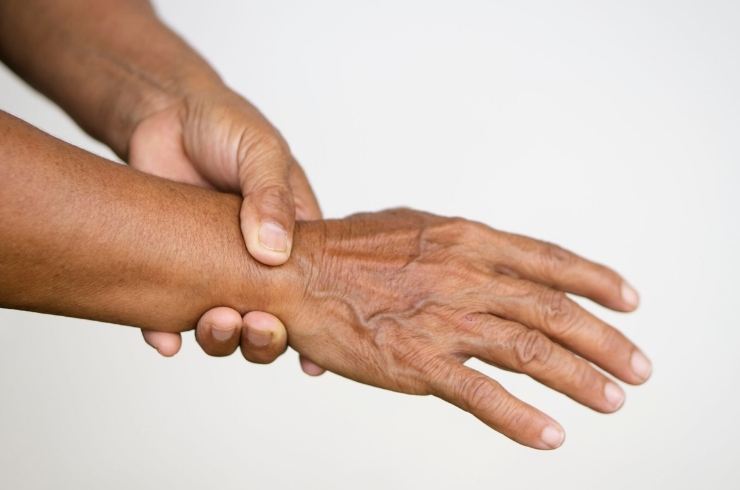
Guillain-Barré Syndrome (GBS) rehabilitation supports individuals recovering from a condition that can cause muscle weakness, reduced mobility, and difficulties with balance or coordination. At Regenics Rehab, individualized physiotherapy focuses on gradually rebuilding strength, improving functional movement, and supporting safe daily activities, with exercise intensity carefully adjusted to the person’s recovery stage and tolerance.
Gradually improving muscle strength and endurance
Practising sitting, standing, and transfers safely
Rebuilding balance, coordination, and walking ability
Maintaining joint mobility and flexibility
Practise maintaining a stable sitting position and completing gentle, supported movements without excessive fatigue.
Doctor’s referral or hospital discharge summary
Relevant medical reports and nerve conduction study results, if available
Current medication list
Comfortable clothing suitable for movement
Walking aids, braces, or mobility equipment, if used
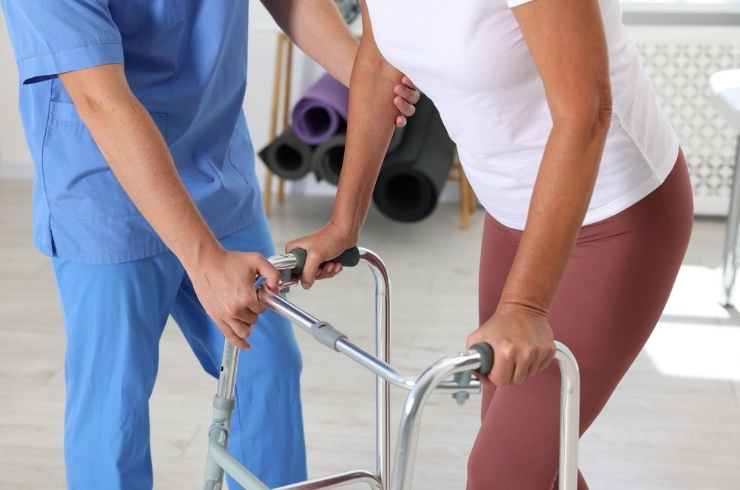
Balance and gait rehabilitation helps individuals experiencing unsteadiness, walking difficulties, coordination problems, or an increased risk of falls. At Regenics Rehab, personalized physiotherapy focuses on improving stability, posture, lower-limb strength, and walking patterns through guided exercises and functional training. Treatment is tailored to each individual’s abilities, mobility challenges, and recovery goals.
Improving standing balance and postural control
Training walking patterns, step length, and coordination
Strengthening the muscles needed for safe mobility
Practising turning, transfers, and changes in direction
Practise standing with appropriate support and complete a short, supervised walking task based on the individual’s abilities.
Doctor’s referral or recent consultation notes, if available
Relevant medical reports and assessment results
Current medication list
Walking stick, walker, or other mobility aid currently used
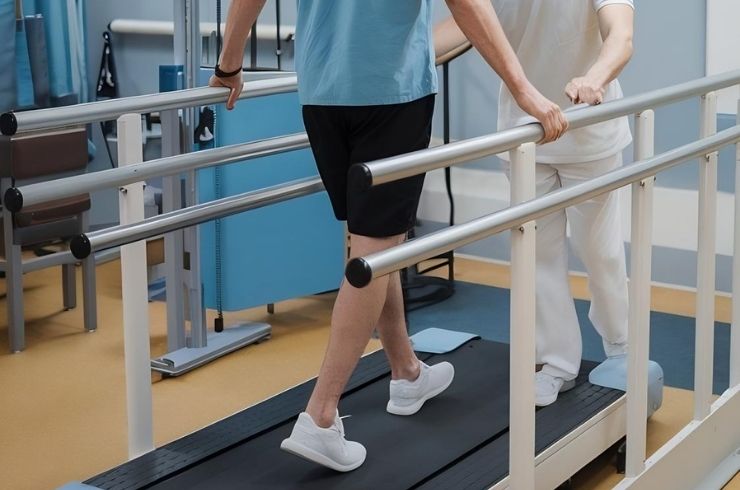
Neurological rehabilitation focuses on improving movement, balance, coordination, and everyday functioning in individuals affected by conditions involving the brain, spinal cord, or nervous system. Conditions such as stroke, Parkinson’s disease, multiple sclerosis, and nerve injuries may affect muscle control, walking, strength, and independence. At Regenics Rehab, neurological rehabilitation emphasizes individualized assessments and structured therapy programs to support functional recovery, improve physical abilities, and help individuals participate more confidently in daily activities.
Personalized neurological rehabilitation can help individuals improve movement control, develop functional skills, and work towards greater independence through appropriate therapeutic exercises and rehabilitation techniques.
Support for movement recovery following a stroke
Improved balance, coordination, and postural control
Exercises to improve muscle strength and movement control
Walking and mobility training based on individual abilities
Support for managing movement difficulties associated with neurological conditions
Functional training for everyday activities
Exercises to improve flexibility and reduce movement limitations
Assistance with developing safer movement strategies
Rehabilitation goals tailored to individual needs and abilities
Support for improving functional independence and quality of life
Regenics Rehab, provides individualized neurological rehabilitation based on each person’s condition, movement limitations, and functional goals. Treatment begins with an assessment of muscle strength, balance, coordination, posture, mobility, and everyday activity requirements. Depending on individual needs, rehabilitation may include therapeutic exercises, gait training, balance activities, coordination exercises, and functional movement practice. Programs are adjusted according to progress and clinical requirements, with an emphasis on improving physical abilities, supporting greater independence, and helping individuals manage daily activities more effectively.