What is Stroke Rehabilitation?
Stroke rehabilitation is a set of treatments that help people recover after a stroke. After a stroke, many people lose some movement or strength. Because of this, daily tasks can become hard. Stroke rehabilitation focuses on helping survivors regain skills and confidence. Often, it starts soon after a stroke. Early rehab can improve results. Many experts, including physiotherapists, work together to create a plan. This plan is based on each person’s needs and goals. In many cities, stroke rehabilitation programs are available in hospitals, clinics, and at home.
Common Effects of Stroke on Movement and Independence
After a stroke, people may notice changes in how their body moves. For example, one side of the body may feel weak or numb. Some people have trouble walking or using their arms. Others may find it hard to balance or stand. Because of these changes, daily activities like dressing or eating can be tough. In addition, stroke can affect speech and memory. These challenges can make it hard to live independently. However, with the right support, many people improve over time.
The Role of Physiotherapy in Stroke Recovery
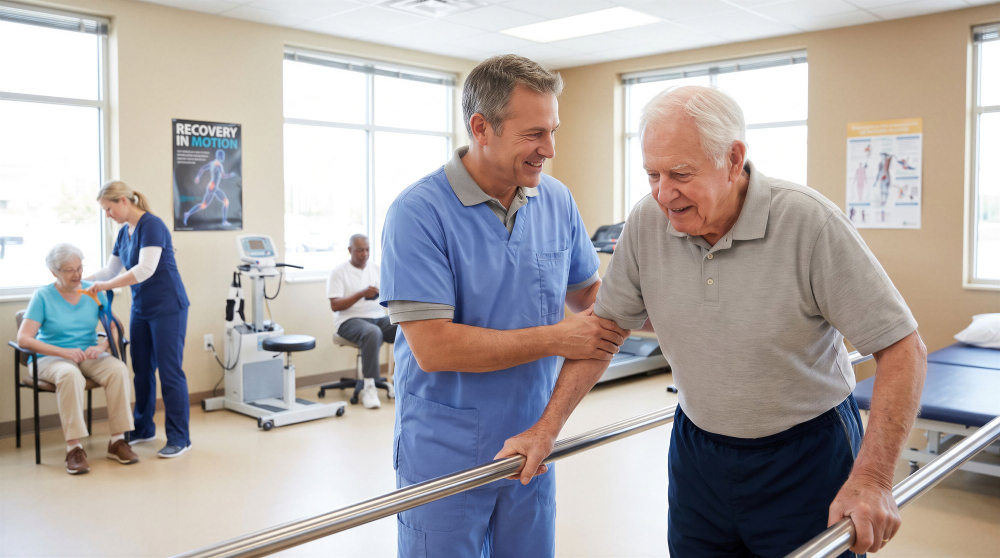
Physiotherapy for stroke recovery is very important. It helps people restore movement after stroke and regain independence. Physiotherapists are experts in movement and exercise. They assess each person’s strengths and needs. Then, they create a plan to help improve strength, balance, and coordination. For instance, they may teach exercises to help muscles work better. They also guide safe ways to move and prevent falls. Because every stroke is different, physiotherapy plans are unique for each person. In many areas, local clinics offer specialized stroke physiotherapy services.
Key Physiotherapy Techniques Used After Stroke
Physiotherapists use many techniques to help stroke survivors. Some common methods include:
Because every person is different, therapists choose the most helpful techniques for each case.
Benefits of Physiotherapy for Stroke Survivors
Physiotherapy offers many benefits for people recovering from stroke. For example, it can help:
According to the World Health Organization, early and regular physiotherapy can improve recovery and quality of life.
Tips for Maximizing Recovery at Home
After leaving the hospital, many people continue stroke rehabilitation at home. To get the best results, try these tips:
Because recovery takes time, patience and support are important. Many local support groups can also help.
Preventing Complications During Stroke Rehabilitation
During stroke rehabilitation, it is important to avoid problems that can slow recovery. For example, staying active helps prevent muscle stiffness and blood clots. Drinking enough water and eating healthy foods support healing. Because some people have trouble swallowing, a speech therapist may help with safe eating. To avoid falls, always use walking aids as advised. If you notice pain, swelling, or new weakness, tell your care team right away. Regular check-ups with your doctor or physiotherapist can help catch issues early. In many cities, home visits from health workers are available to support safe recovery.